Weld  Axis

Welcome to Weld Axis – Your Partner in Robotic Welding Automation

Weld Axis: Leading Manufacturer of Robotic Welding Solutions

Welcome to Weld Axis, a leading innovator in the field of industrial automation. Specializing in the design and manufacture of cutting-edge robot welding positioners, robot gantry systems, and robot linear tracks, we help businesses across the globe enhance productivity, efficiency, and precision. Partnering with top-tier robot integrators such as ABB, KUKA, FANUC, and YASKAWA, we deliver tailored automation solutions that elevate manufacturing processes.


Our Products

We offer a range of robotic solutions designed to enhance your manufacturing capabilities:


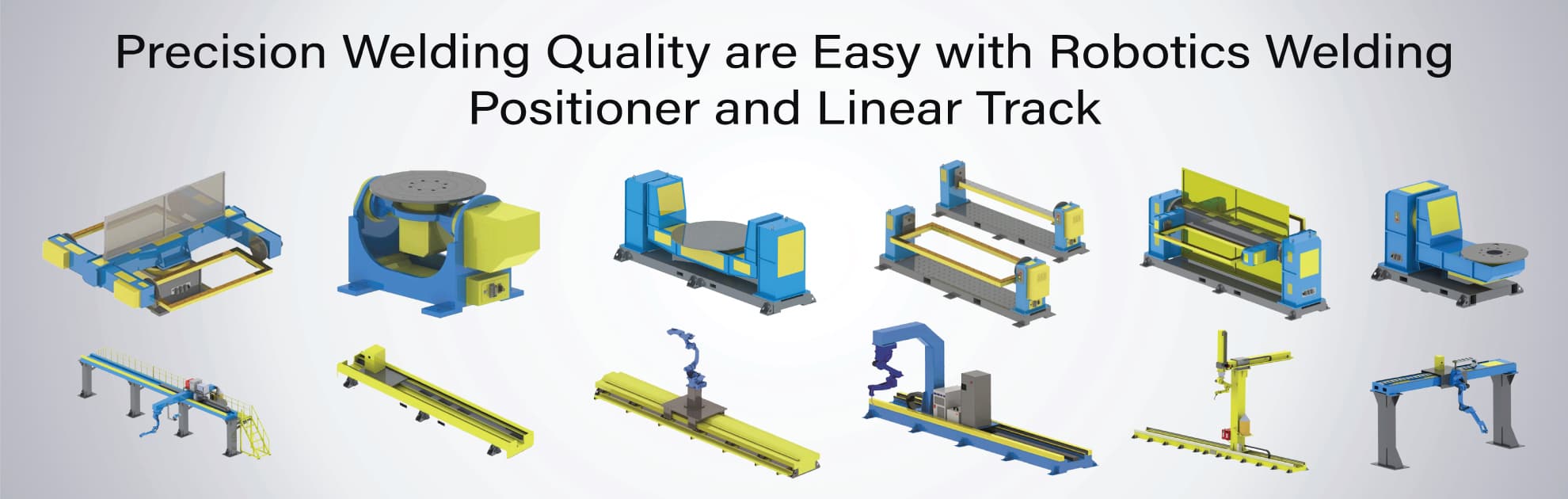
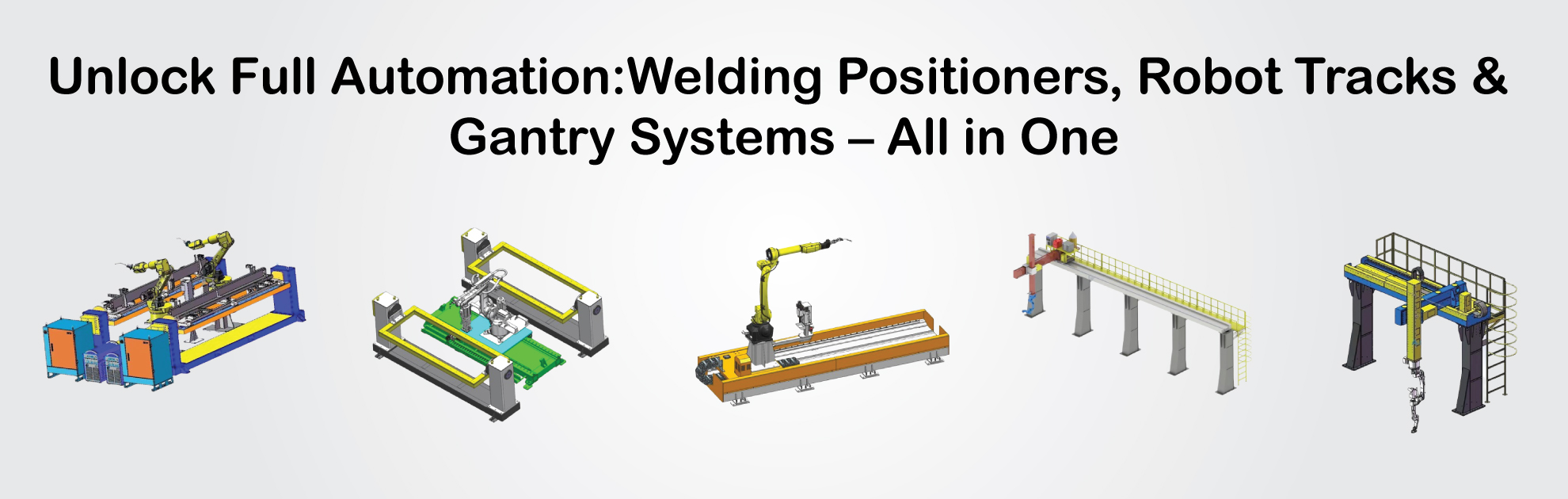
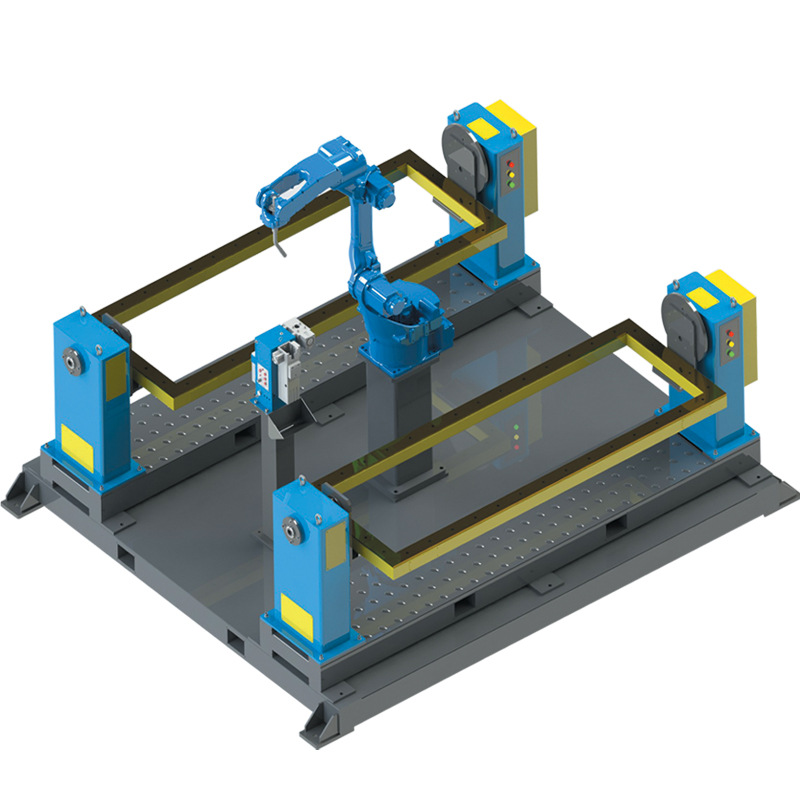
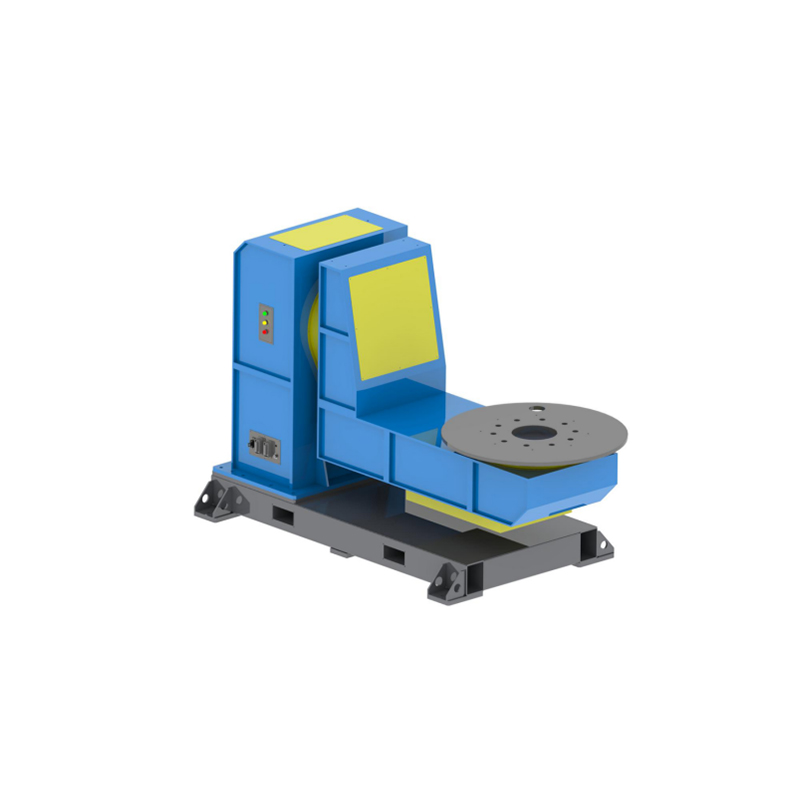
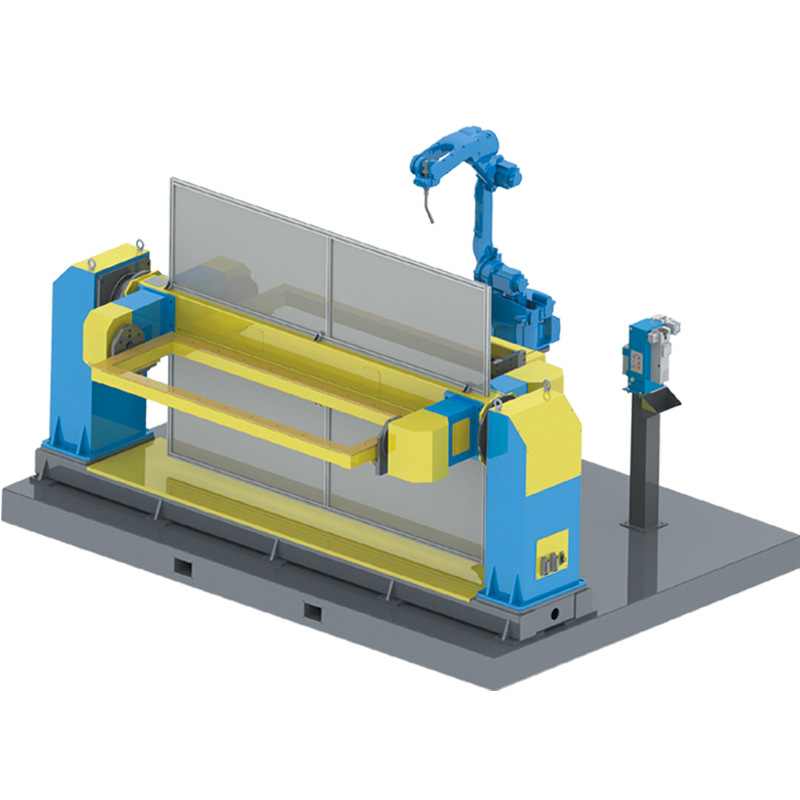
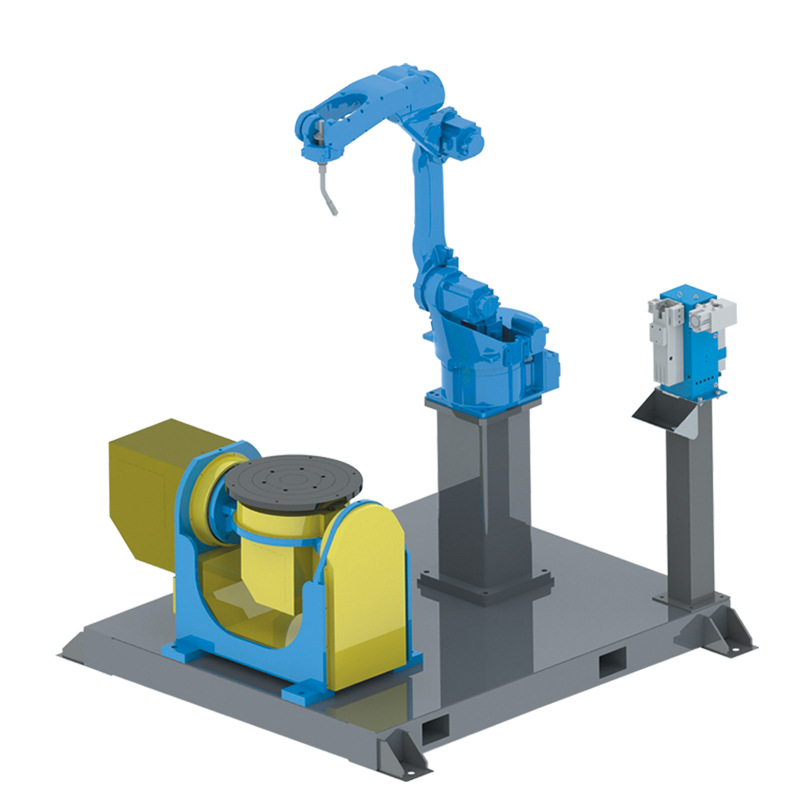
Robot Welding Positioners: Our robot welding positioners are designed to optimize the welding process by positioning workpieces with precision and stability. This allows for consistent high-quality welds, improved productivity, and reduced operator intervention. Our positioners are ideal for applications that require precise orientation and rotation during welding processes.


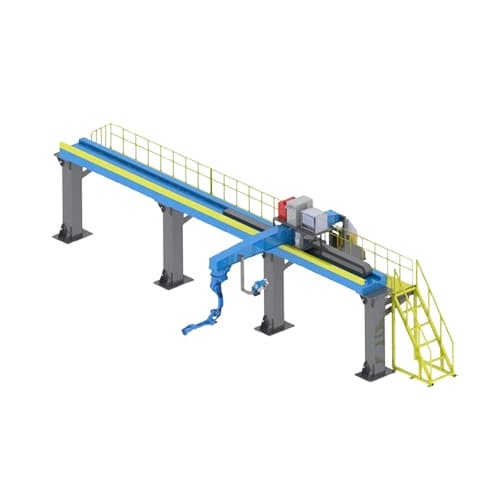
Robot Gantry Systems: The robot gantry systems we offer enable multi-axis movement, allowing robots to perform tasks such as welding, assembly, and material handling across large production areas. These systems are highly flexible, customizable, and perfect for high-volume manufacturing environments. They increase the efficiency of your operations by extending the work envelope of robots and reducing manual labor.


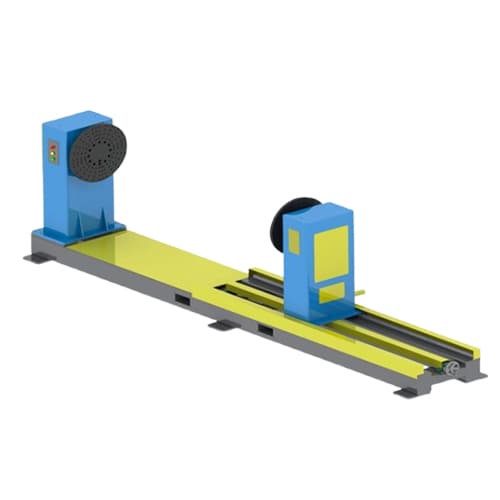
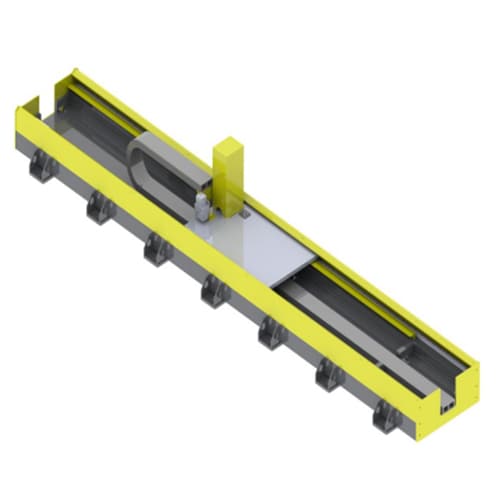
Robot Linear Tracks: Our robot linear tracks are essential for improving the reach and operational efficiency of your robotic systems. These tracks provide linear movement across large production areas, enabling robots to handle tasks in multiple locations without the need for constant repositioning. Perfect for applications where space is a premium, robot linear tracks extend the coverage area and increase workflow efficiency.


Welding Robots:  Our welding robots are designed for automated welding tasks that require high precision, repeatability, and stable performance. They are suitable for a wide range of applications, including structural steel welding, heavy fabrication, and industrial component manufacturing. By integrating advanced motion control and reliable welding technology, welding robots help improve weld consistency, reduce manual intervention, and support efficient, continuous production.   


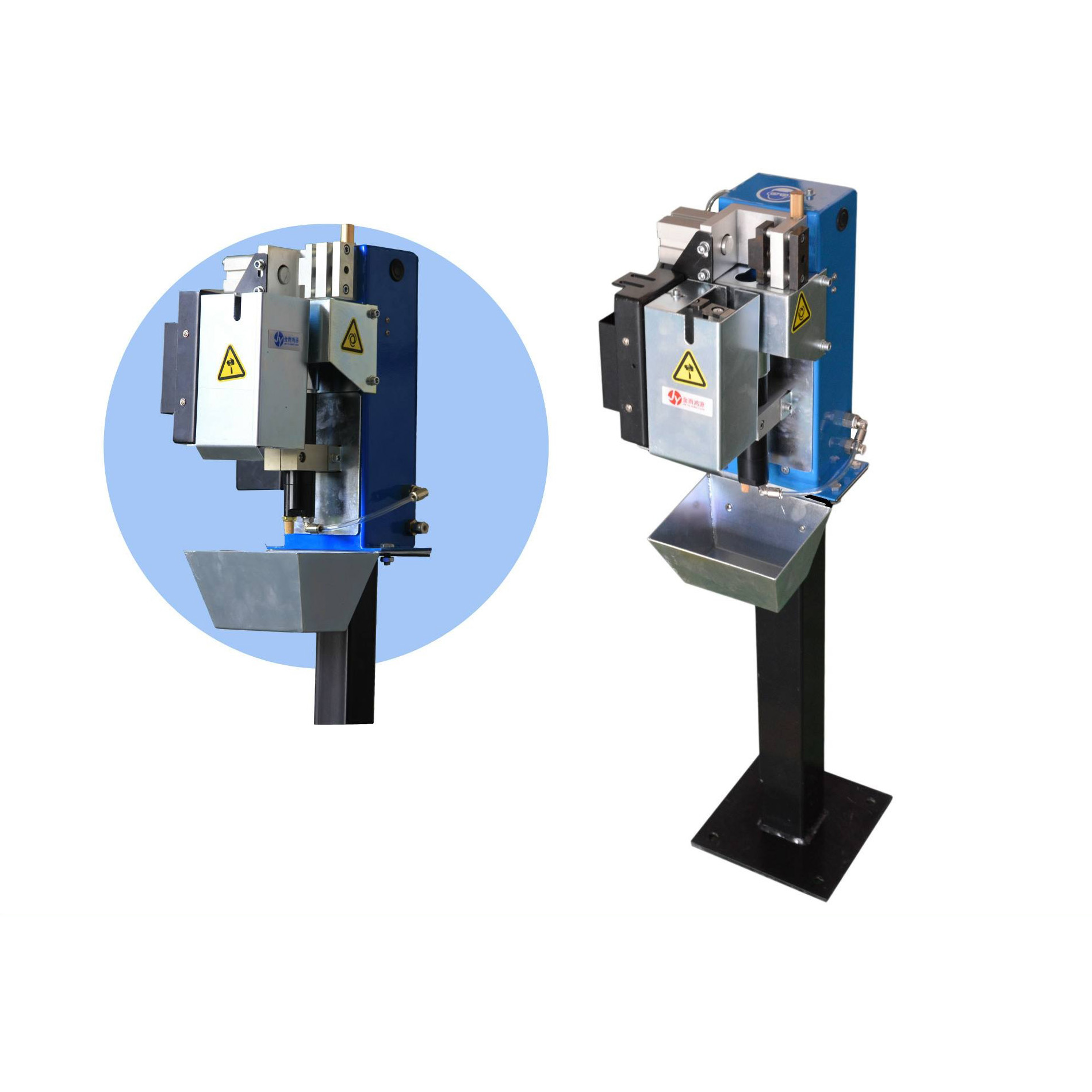
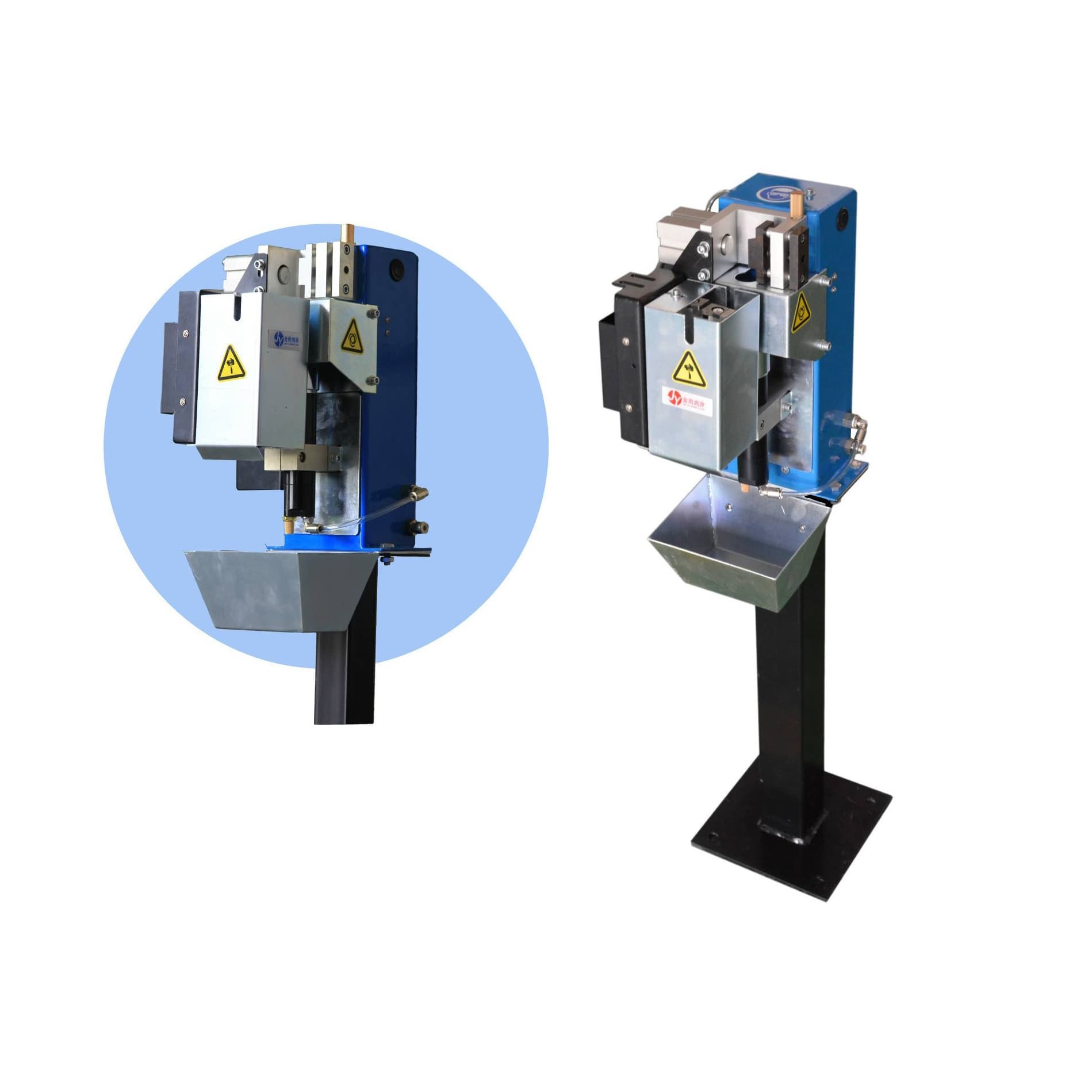
Torch Cleaning StationsTorch cleaning stations are an important part of robotic welding systems, helping maintain stable welding quality during long production cycles. These systems automatically clean welding nozzles, remove spatter buildup, cut excess wire, and apply anti-spatter fluid. By keeping the welding torch in optimal condition, torch cleaning stations reduce unplanned downtime, extend torch lifespan, and improve overall welding process reliability.


THE LATEST HOT-SELLING PRODUCTS
FOCUS ON THE NEWS AND APPROACH US
Reducing Cycle Times: The Role of Headstock-Tailstock Positioners in Automation
Headstock-tailstock positioners are essential for automated welding applications involving long and heavy workpieces. By providing stable dual-end support and smooth, controlled rotation, these systems help reduce cycle time, improve welding consistency, and enhance overall efficiency in robotic welding cells.
Read more
How Robotic Welding Positioners Improve Weld Penetration and Consistency
The article introduces the definition, core advantages, applicable industries, and key selection factors of robotic welding positioners, emphasizing their practical value for welding automation.
Read more
1-Axis vs. 3-Axis Positioners: Which One Does Your Welding Cell Need?
Robotic welding cells rely on the right positioner configuration to achieve stable, efficient, and high-quality welding results. This article compares 1-axis and 3-axis welding positioners, explaining their motion capabilities, application scenarios, and key differences to help manufacturers select the most suitable solution for their welding automation needs.
Read more